About Us
We are forging a sustainable future of personalized medicine for ultra-rare infants and children.
Mission
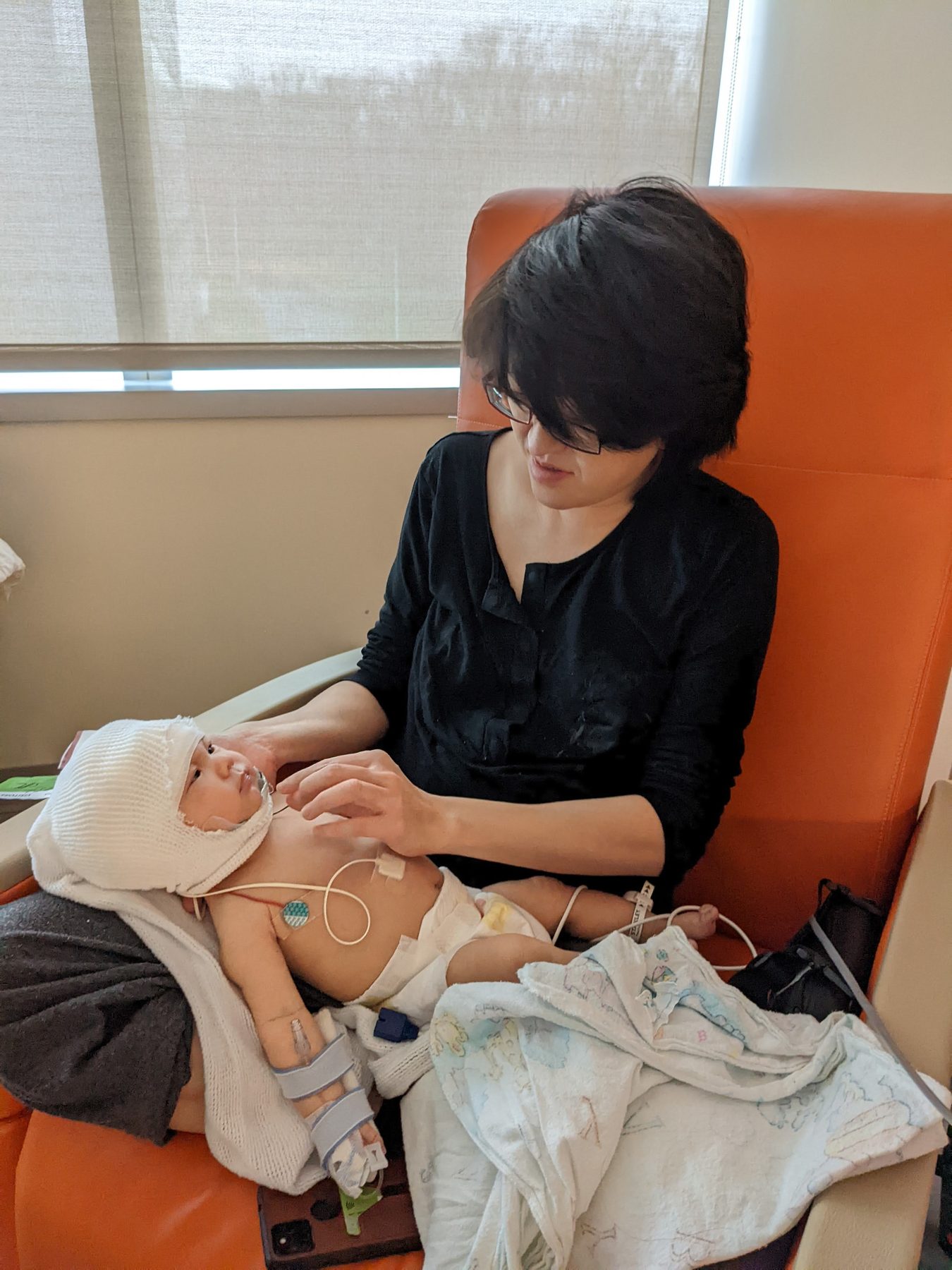
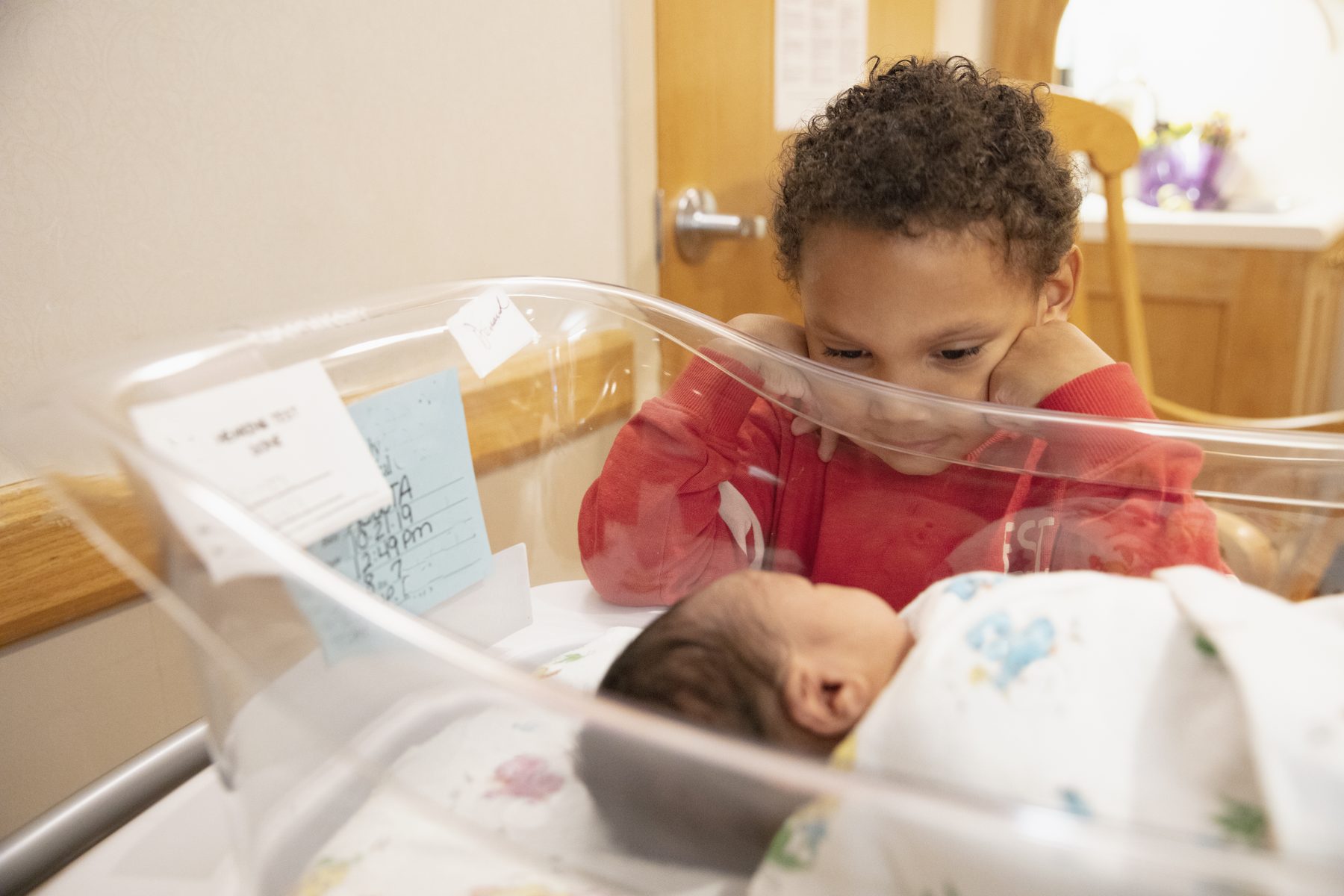
We are on a mission to fundamentally change the lives of families loving and caring for children with ultra-rare diseases by building accessible, affordable pathways to early diagnosis and treatment.
Through this work, we are creating a future of personalized medicine, starting with the patients and families with the greatest unmet needs.
Our Vision for the Future
We envision a future for the healthcare system that offers precision treatment and personalized medicine that is swift, safe, accessible, and connective.
We are invested in building a world in which the systemic roadblocks between medical research and life-changing treatments are removed and progress is embraced. The wise and courageous use of emerging technology and a spirit of collaboration from all stakeholders will drive new ways of innovation in the biomedical and healthcare landscape.
In our future, the healthcare system and translational and basic sciences join together to rescue children with ultra-rare conditions, with caregivers and patients meaningfully joining the collaboration.

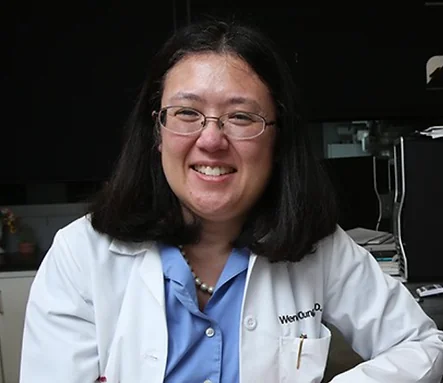
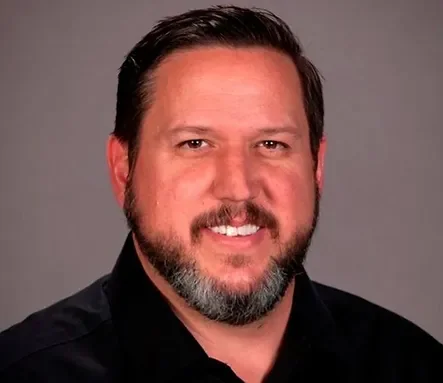
Scientific Advisors

Our Principles
Lead with courage and care.
We embody empathy and love as essential parts of our work. Everything we do comes from a desire to care for ultra-rare children and help ease the burden on their families. This work can be taxing, so we stay connected with a sense of open-heartedness and empathy. Courage enables us to reframe challenges into possibilities and to ask for support when we need it.
Embrace technology to advance equity.
We are committed to using technology for good. Advanced data engineering and machine learning tools are now available for anyone to use. We leverage these tools to serve patients who may otherwise be left behind by the medical system — and by showing others how to use these tools — we can create a healthier future for patients and their loved ones. Data that we collect from patients is treated with respect and privacy, and used to further the mission to help ultra-rare children and their families.
Center the people that drive our purpose.
We orient our actions toward serving the people with the greatest, most urgent unmet need. When we need to make a decision, we ask, “What will be best for ultra-rare patients and their families in the long run?” Our decisions are guided by science, our actions by urgency, and both are in alignment with our mission to make a real impact on the lives of ultra-rare families.
Act on sound science.
We use sound science and strong data to back up our decisions. We refer to and base our actions on published scientific literature. We communicate and act with integrity and in good faith. We seek out scientifically minded partners who hold themselves to the highest standards.
Build in public, with full transparency.
We share what we learn with honesty and transparency, helping others learn and build with us. In the spirit of integrity and humility, we stay honest about what we don’t know and truthful about our progress.
Emphasize our common ground.
We focus on what all stakeholders in this space have in common, acting in alignment with our shared values and goals. Choosing collaboration over competition is our core value — guiding us to “call in” rather than “call out” those whose perspectives, histories, or interests differ from ours. We stay dedicated to our shared mission: to make meaningful progress toward getting treatment to those who most need it.
Our work is dedicated to rescuing patient populations that are conventionally considered “too small” for attention from biomedical research and industry. While each unique ultra-rare population group may be tiny, collectively there are over 240,000 children living with actionable neurodegenerative and neurodevelopmental conditions in the U.S. alone. Massive gaps in our medical system leave caregivers of these children with little guidance or support in an overwhelming healthcare-biomedical landscape. Yet we live in an age of available, accessible science and technology that can bridge those gaps — and we have an ethical imperative to do so.